Guide for Masseuses
Your Essential Guide to Launching a Safe, Successful Massage Therapy Practice in the UK
Beginning a career as a massage therapist can be fulfilling and interesting, giving you the chance to enhance client’s quality of life while building a profitable business for yourself. Still, it also carries important obligations—especially in relation to protecting your customers. Whether you’re creating a solo practice, working in a spa, or joining a clinic, understanding the necessary certifications, legal requirements, and best practices is vital for long-term success.
From the job of a massage therapist and necessary certifications to how often clients should have a massage, this will take you through all you need to know. We will also look at the need for massage therapy insurance, covering what professional indemnity insurance & public liability insurance covers and the reasons it is a fundamental component of safeguarding your business.
Massage Therapists: Hands-on Healers Transforming Health and Well-being
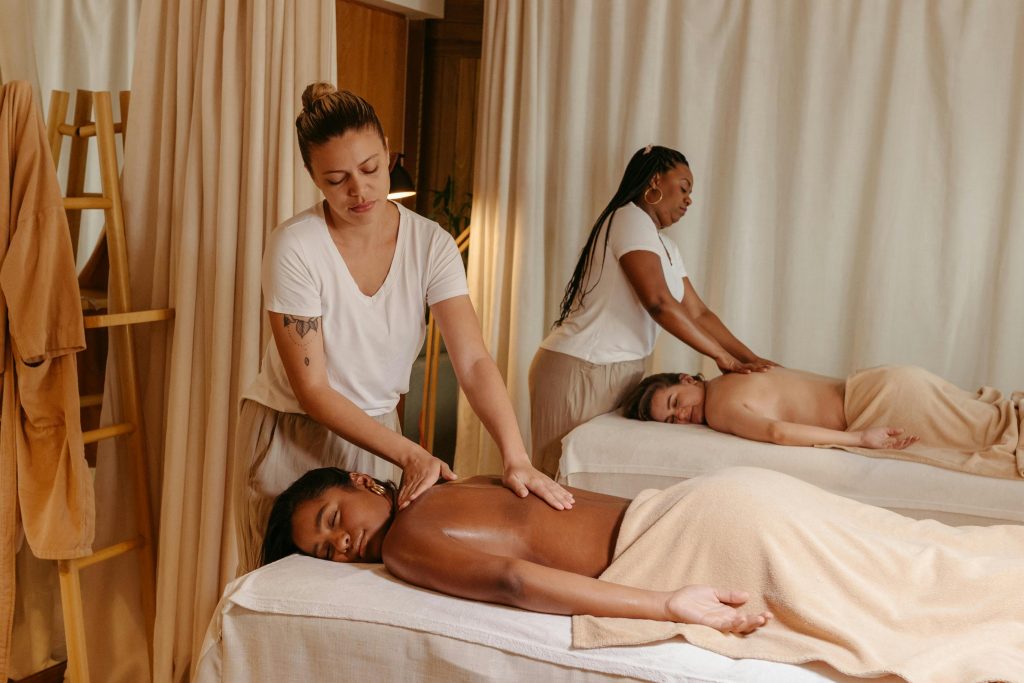
Whether your clients are experiencing tension, healing from an accident, or just want to unwind, your role as a massage therapist is to help them feel better. Particularly working with muscles, tendons, and ligaments, a massage therapist is a trained professional helping to decrease pain, boost circulation, and encourage general well-being. Still, their importance transcends simple physical ease. By means of touch, they also help clients in better control of stress, enhancement of mobility, and even promotion of mental health.
What Certifications Do Massage Therapists Need?
Before becoming a masseuse or starting a massage therapy business, you may need certain credentials & certifications. You will need to do your homework to see what is required for your specific goals; for instance becoming an Oncology masseur needs more specific training after the basics are covered. Here are just a few examples of industry recognised certifications.
- Massage Diploma at Level 3 International Therapy Examination Council (ITEC)
- Level 3 Massage Therapy Charitable Trust for Vocational Training (CTVT) Massage Therapy Diploma Voluntary Trust for Vocational Education
- Certified Massage Therapist (Level 3) by the Confederation of International Beauty Therapy and Cosmetology
- Sports massage degrees, such Level 3 or Level 4 in Sports Massage Therapy, provide a fascinating basis for those concentrating on recovery. For advanced skills, a BTec (Business and Technology Education Council) Level 4/5 in Massage Therapy is required.
Massage Etiquette: The DOs & DONTs for a Successful Practice!
Your client’s experience, safety, and general pleasure will be much influenced by the way you conduct yourself and how you act and interact with the client. Claims can often easily arise from interactions with the public. When a claim is made against you, whether it is genuine or not, it still incurs legal expenses and time to defend. If genuine, a claim can often result in a hefty compensation pay out. So here are a few tips on conduct to try and avoid claims being made against you:
DOs!
- Respect client boundaries. Before starting treatment, always get permission then be open about your pressure levels and comfort.
- Dress professionally and keep up personal hygiene. To provide clients with a comfortable experience, wear neat, businesslike clothing and guarantee good personal cleanliness.
- Create a comfortable and safe space. With suitable lighting, temperature, and background music, keep the area tidy, private, and friendly. Make sure there are no slip or trip hazards.
- Respect client privacy by keeping personal health records safe and only talking about pertinent material with authorisation
- Be sure to show up on time and effectively schedule appointments to honour your client's time as well as your own.
- Speak clearly and professionally. Clearly explain treatments, respond to client questions honestly, and offer clear aftercare directions.
- Always operate within the bounds of your training and qualifications, especially when dealing with client's with specific needs - ie cancer.
- Check for contra-indications, when applicable get written consent from the client's GP (or signed confirmation from the client that they have their GP's verbal consent)
DONTs!
- Never engage in inappropriate conversations - let's keep our conversations professional and steer clear of personal, sensitive, or controversial topics.
- Do not ignore any feedback - make sure you respond and, if appropriate, change things quickly. Once a client is uncomfortable or hurt, if you ignore their concerns, it could hurt your rapport and cause them to complain.
- Do not overstep boundaries - it's important to stay polite and respectful. Make sure you know your boundaries and don't do anything that might appear too intimate, inappropriate or rude.
- Do not forget about proper documentation – make sure to keep detailed client records, like their medical history, treatment notes, and consent forms. This way, you can safeguard yourself against any potential claims.
- Don't overlook your personal well-being! Burnout can really impact how you perform, so make sure to take care of yourself. Keep good posture and remember to take breaks between your sessions.
Which Massage Products to Use, and Which to Avoid
Your client’s experience, safety, and general pleasure will be much influenced by the tools you employ as a massage therapist. Using the wrong lotions, oils, or tools might cause allergic responses, skin irritation, and perhaps liability claims. Let’s use these do’s and don’ts to help protect you from claims:
DOs!
- Use hypoallergenic oils and lotions, use premium, scent-free, hypoallergenic products to lower allergic response risk.
- Ask clients about skin sensitivity before applying any new product; this will help you to check their allergies. Sensitive clients should be advised to do patch testing.
- Use natural, skin-encouraging ingredients, such as products that include coconut oil, shea butter, or jojoba oil that feed the skin without aggravating it.
- To stop bacterial development and contamination, keep oils, lotions, and linens dry and clean.
- Make sure your tools and instruments are sterile. Meticulously clean massage stones, cups, or rollers.
DONTs!
- Avoid expired items. Continuously check expiration dates and avoid cheap, poorly created oils that might harm skin.
- Strong scented products should not be used for sensitive consumers since synthetic additives or scents can trigger headaches or allergic reactions.
- To avoid skin burns or irritation without suitable dilution, the essential oils should always be diminished in a carrier oil.
- Try not to excessively use warming balms, eucalyptus, or menthol. These might aggravate or cause skin irritation depending on too much use.
- Never ignore signs of a bad skin reaction. If a client experiences redness, itching, or discomfort, stop straight away and wash the area.
Stay Claim-Free: Use Smart Choices to Guard Your Practice!
Not paying attention to cleanliness, using the wrong products, or overstepping boundaries can lead to more than just a tarnished reputation, it can also bring about some serious legal and financial issues. Client complaints, allergic reactions, or misunderstandings about services can quickly lead to expensive legal issues that could jeopardise your business. By focusing on clear communication, doing patch tests on new products, and keeping detailed records, you can really cut down on liability risks and help prevent any potential claims from popping up. Being professional, aware and avoiding risks, and building a solid reputation can really boost your business.
Do Massage Therapists Need Public Liability Insurance Cover?
Keeping your business and its clients safe is vital! Imagine this: a customer slips on some spilled massage oil, or a treatment table collapses abruptly. If you lack the appropriate coverage, even a minor mishap might wind up costing you a lot in legal expenses & compensation payouts. That’s where Public Liability Insurance (PLI) steps in! This essential cover protects massage therapists from claims about injuries or property damage, giving you peace of mind so you can concentrate on providing excellent care. Don’t let these things throw your business off track—make sure you’re covered and keep that confidence up!
What does Public Liability Insurance cover?
Accidental Injuries: Public Liability Insurance covers legal fees and damages should a customer trip over a loose mat, fall on spilled oil, or get injuries on your property.
Client Property Damage: Your insurance can assist to pay the expenses should a client’s phone, jewellery, or clothes get damaged or stolen during a session.
At Home or on Location: Whether you visit clients, rent a facility, or operate from a home studio, PLI guards you against claims made by customers or visitors.
Do Massage Therapists Need Professional Indemnity Cover?
Protecting your business and consumers depends on you, the massage therapist, having appropriate insurance coverage. One of the most crucial plans available to masseuses is Professional Indemnity Insurance (PII), which covers legals fees and compensation should you have a claim made against you because of your work.
What does Professional Indemnity Insurance cover?
Negligence Claims: Covers legal fees and compensation if a client alleges your treatment caused harm or worsened their condition.
Incorrect Advice or Treatment: Protects you if a treatment plan or advice leads to client injury.
Confidentiality Breach: Provides legal support if client data is accidentally or intentionally exposed.
Reputation Protection: Covers legal expenses if a claim damages your professional standing.
Do Massage Therapists Need Medical Malpractice Cover?
As a massage therapist, your work directly affects a client’s body—which means if something goes wrong, the consequences can be serious. Even with proper training and consent, a client may claim your treatment caused injury, discomfort, or emotional distress. Medical Malpractice insurance is designed to protect you from these types of allegations, covering legal costs and compensation so your business and reputation stay protected.
Treatment-Related Injury: Covers claims where a client alleges your massage caused physical harm, such as nerve damage, muscle strain, or worsening of an existing condition.
Improper Technique: Protects you if a client claims that your method or approach was inappropriate, unsafe, or failed to meet expected standards.
Emotional Distress Claims: Covers legal defence if a client alleges psychological or emotional discomfort as a result of your treatment.
Why is Insurance Essential for Massage Therapy?
Accidents and misinterpretation might occur even if you are a very competent and cautious therapist. A false claim can be made even when you have done nothing wrong, but it still needs defending, and legal fees are not cheap. Insurance offers financial protection from what can be expensive legal costs and compensation sums, so enabling you to concentrate on your practice free from worry. Before you may operate, several professional groups and regulatory authorities also mandate that therapists carry this coverage.
It sets you up for long-term success and stability without stress. Why not act now to safeguard your practice? Get insured here!
Setup Yourself for Success
Becoming a masseuse or massage therapist isn’t just a career—it’s a meaningful journey of helping others feel their best while building a rewarding and sustainable business. Every action you take will help you succeed from knowing legal requirements and acquiring the required credentials to making sure clients get the greatest treatment.
All things considered, safeguarding your practice with appropriate massage therapy insurance guarantees peace of mind, thereby enabling you to concentrate on what really counts—that of enabling your customers to recover and flourish. Maintaining knowledge, always developing your skills, and giving professionalism priority can help you not only create a great practice that will last but also a solid reputation.
If you need insurance for your massage business, try Westminster Insurance. At Westminster Insurance you can get your massage business insured online in minutes. With comprehensive cover that combines Public Liability, Professional Indemnity & Medical Malpractice into one simple policy, you know you can focus on building your business with confidence.
The information provided in this article is accurate to the best of our knowledge at the time of publication. This content is intended for general informational purposes only and does not constitute professional advice, endorsement, or recommendation of any particular course, treatment, service, or product. Readers should always seek appropriate professional advice and check the latest policy documents and terms before making any decisions or commitments.
Instant Insurance Quote

Share
Latest Blogs
Guide for Hair, Beauty and Aesthetics Businesses
Working in this field can be incredibly rewarding, as you bring joy and confidence to clients. However, the expanding array of treatments and services also means that the associated risks are higher than ever. Beauty and aesthetics involve deeply personal treatments, and if something goes wrong, the physical or emotional impact can be significant.
03rd December, 2024
Guide for Masseuses
Your Essential Guide to Launching a Safe, Successful Massage Therapy Practice in the UK Beginning a career as a massage therapist can be fulfilling and interesting, giving you the chance to enhance client’s quality of life while building a profitable business for yourself. Still, it also carries important obligations—especially in relation to protecting your customers. […]
06th May, 2025
Policy Exclusions You Should Know About
Understanding the exclusions in your Professional Indemnity Insurance (PII) policy is crucial to ensure comprehensive protection. This article delves into common exclusions—such as known claims, fraudulent acts, and contractual liabilities—that could leave you vulnerable. By being aware of these limitations, you can take proactive steps to address potential gaps in your coverage.
15th May, 2025
Get your free online quote today
Welcome to a different kind of insurance experience for small to medium-sized businesses - from salon owners and business consultants to tattoo artists and yoga instructors.